# Connect to a Windows device

To log in to your Windows PC remotely over Meshnet, enable remote access on your PC and use a remote desktop app on the device you're connecting from.

## Before you begin <a href="#prerequisites-and-requirements" id="prerequisites-and-requirements"></a>

Make sure that:

* Both the Windows device you wish to access remotely (remote PC) and the device you're using to connect are [linked over Meshnet](https://meshnet.nordvpn.com/getting-started/how-to-start-using-meshnet).
* Your remote PC is on.
* Your remote PC runs a Pro edition of Windows 10 or 11.&#x20;

<details>

<summary>To check your PC edition</summary>

1. On your PC, select **Start** <img src="https://3559400189-files.gitbook.io/~/files/v0/b/gitbook-x-prod.appspot.com/o/spaces%2F0cTezbT2vN0lurEio8Z5%2Fuploads%2FGTHMj8B4fgledLDhPDUm%2Ficon_win_start_11_blue.svg?alt=media&#x26;token=045c5a29-141c-44c1-9dfa-08d59d6bf047" alt="" data-size="line"> and open **Settings**.
2. Go to **System** > **About**.
3. Under **Windows specifications**, look for **Edition**.&#x20;

   <div align="left"><figure><picture><source srcset="https://3559400189-files.gitbook.io/~/files/v0/b/gitbook-x-prod.appspot.com/o/spaces%2F0cTezbT2vN0lurEio8Z5%2Fuploads%2FsQgeZZcsuY9hgXFm8PB7%2Frdp_win_edition_dark.png?alt=media&#x26;token=66ad8f11-2b61-4ea1-b8a2-a825f6a67655" media="(prefers-color-scheme: dark)"><img src="https://3559400189-files.gitbook.io/~/files/v0/b/gitbook-x-prod.appspot.com/o/spaces%2F0cTezbT2vN0lurEio8Z5%2Fuploads%2F3t8ybHs1cUCa7va9lXkJ%2Frdp_win_edition.png?alt=media&#x26;token=4c49daf0-33b2-4112-a810-aea9033c7f95" alt="&#x22;Windows 10 Pro N&#x22; is displayed next to &#x22;Edition&#x22; in system settings" width="563"></picture><figcaption></figcaption></figure></div>

</details>

## Set up your remote PC for access <a href="#enable-remote-access-on-your-pc" id="enable-remote-access-on-your-pc"></a>

Before you can connect to your remote PC, you'll need to enable **Remote Desktop** on it.

{% tabs %}
{% tab title="Windows 11" %}

1. Select **Start** <img src="https://3559400189-files.gitbook.io/~/files/v0/b/gitbook-x-prod.appspot.com/o/spaces%2F0cTezbT2vN0lurEio8Z5%2Fuploads%2FGTHMj8B4fgledLDhPDUm%2Ficon_win_start_11_blue.svg?alt=media&#x26;token=045c5a29-141c-44c1-9dfa-08d59d6bf047" alt="" data-size="line"> and open **Settings**.
2. Go to **System** > **Remote Desktop**

   <div align="left"><figure><picture><source srcset="https://3559400189-files.gitbook.io/~/files/v0/b/gitbook-x-prod.appspot.com/o/spaces%2F0cTezbT2vN0lurEio8Z5%2Fuploads%2FWManNYSXPgCfqjI0A0Jn%2Fwin_rdp_dark.png?alt=media&#x26;token=e1437fca-c64a-408f-9e9a-a7e1fcdb2ac3" media="(prefers-color-scheme: dark)"><img src="https://3559400189-files.gitbook.io/~/files/v0/b/gitbook-x-prod.appspot.com/o/spaces%2F0cTezbT2vN0lurEio8Z5%2Fuploads%2F3XsMLoqihP0rtzL3MGMi%2Fwin_rdp.png?alt=media&#x26;token=7deb4827-48aa-4f5a-ac5a-dc72a60fcacd" alt="Showing the Remote Desktop option"></picture><figcaption></figcaption></figure></div>

   &#x20;
3. Turn on the **Remote Desktop** toggle.&#x20;

   <figure><picture><source srcset="https://3559400189-files.gitbook.io/~/files/v0/b/gitbook-x-prod.appspot.com/o/spaces%2F0cTezbT2vN0lurEio8Z5%2Fuploads%2FH78VYQUYP5bpp94sPos4%2Fwin_rdp2_dark.png?alt=media&#x26;token=f4f8cca4-6c32-4189-a5b4-ed14d1fbcdbc" media="(prefers-color-scheme: dark)"><img src="https://3559400189-files.gitbook.io/~/files/v0/b/gitbook-x-prod.appspot.com/o/spaces%2F0cTezbT2vN0lurEio8Z5%2Fuploads%2FtadpDoRd1nIeE8I2vgOV%2Fwin_rdp2.png?alt=media&#x26;token=806cbdc7-8c10-4aa7-bb0b-03b5868859b5" alt="Remote Desktop toggle  is set to the &#x22;On&#x22; position"></picture><figcaption></figcaption></figure>

   &#x20;
4. Select **Confirm** when prompted.
   {% endtab %}

{% tab title="Windows 10" %}

1. Select **Start** <img src="https://3559400189-files.gitbook.io/~/files/v0/b/gitbook-x-prod.appspot.com/o/spaces%2F0cTezbT2vN0lurEio8Z5%2Fuploads%2FUQJtB6BkEOeGOFJGHp5w%2Ficon_win_start_10_blue.svg?alt=media&#x26;token=f54abf2e-d9fb-46f2-893b-8dd5fa570140" alt="" data-size="line"> and open **Settings**.

   <div align="left"><figure><picture><source srcset="https://3559400189-files.gitbook.io/~/files/v0/b/gitbook-x-prod.appspot.com/o/spaces%2F0cTezbT2vN0lurEio8Z5%2Fuploads%2F25LXchNub7MHOIq7ukK7%2Fsettings_win10_dark.png?alt=media&#x26;token=8276880c-f907-41c4-b4ea-7f6e34121fd3" media="(prefers-color-scheme: dark)"><img src="https://3559400189-files.gitbook.io/~/files/v0/b/gitbook-x-prod.appspot.com/o/spaces%2F0cTezbT2vN0lurEio8Z5%2Fuploads%2FF6dFf7vQOpUuQN5SF4ey%2Fsettings_win10.png?alt=media&#x26;token=2e12a053-18d8-4e7c-aa07-1c067ebfda84" alt="Settings highlighted" width="349"></picture><figcaption></figcaption></figure></div>

   &#x20;&#x20;
2. Go to **System** and select **Remote Desktop** from the left sidebar.

   <div align="left"><figure><picture><source srcset="https://3559400189-files.gitbook.io/~/files/v0/b/gitbook-x-prod.appspot.com/o/spaces%2F0cTezbT2vN0lurEio8Z5%2Fuploads%2FXKCReLmTuQgihVTHcgeO%2Fwin_remote_desktop_section_dark.png?alt=media&#x26;token=94c1fdc1-9202-4c29-8b13-b3274e10e5f6" media="(prefers-color-scheme: dark)"><img src="https://3559400189-files.gitbook.io/~/files/v0/b/gitbook-x-prod.appspot.com/o/spaces%2F0cTezbT2vN0lurEio8Z5%2Fuploads%2FtkPOFW52RTZxlRYsrxsx%2Fwin_remote_desktop_section.png?alt=media&#x26;token=ace25779-312a-4ebb-9bf4-a532f9baa32f" alt="&#x22;Remote Desktop&#x22; option highlighted" width="327"></picture><figcaption></figcaption></figure></div>

   &#x20;&#x20;
3. Turn on the **Enable** **Remote Desktop** toggle.&#x20;

   <div align="left"><figure><picture><source srcset="https://3559400189-files.gitbook.io/~/files/v0/b/gitbook-x-prod.appspot.com/o/spaces%2F0cTezbT2vN0lurEio8Z5%2Fuploads%2FiiiVyN6wemKXLV1Su36k%2Fenable_remote_desktop_dark.png?alt=media&#x26;token=83ef6541-f177-46f8-8d3e-d989afc9016d" media="(prefers-color-scheme: dark)"><img src="https://3559400189-files.gitbook.io/~/files/v0/b/gitbook-x-prod.appspot.com/o/spaces%2F0cTezbT2vN0lurEio8Z5%2Fuploads%2FLEGCchENUUvZC50Yt4hs%2Fenable_remote_desktop.png?alt=media&#x26;token=d52a7c21-b870-4031-9ef5-c4abecf215a6" alt="Enable Remote Desktop toggle is set to the &#x22;Off&#x22; position" width="563"></picture><figcaption></figcaption></figure></div>

   &#x20;
4. Select **Confirm** when prompted.

   <div align="left"><figure><img src="https://3559400189-files.gitbook.io/~/files/v0/b/gitbook-x-prod.appspot.com/o/spaces%2F0cTezbT2vN0lurEio8Z5%2Fuploads%2FTB6b3xj4bIMjnCA04r0o%2Fenable_rdp_confirm.png?alt=media&#x26;token=1cc3632f-e2df-4f92-9394-7c77f59ddf0a" alt="&#x22;Enable remote desktop?&#x22; dialog with the &#x22;Confirm&#x22; button highlighted." width="563"><figcaption></figcaption></figure></div>

{% endtab %}
{% endtabs %}

### Finding PC account credentials

You will be prompted to enter authentication details when attempting a remote connection to your Windows PC. The credentials you must enter depend on the type of Windows account the PC is using.

* If you're using a Microsoft account, you can use either:
  * Your Microsoft account's email address and password.\
    &#x20;\
    **Example**

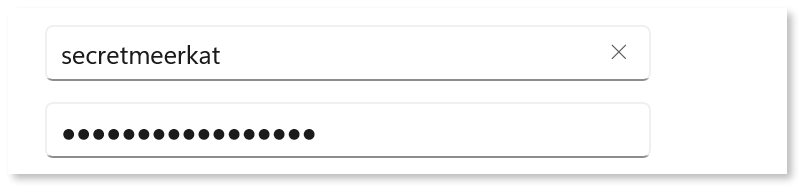
    <div align="left"><figure><picture><source srcset="https://3559400189-files.gitbook.io/~/files/v0/b/gitbook-x-prod.appspot.com/o/spaces%2F0cTezbT2vN0lurEio8Z5%2Fuploads%2FApuNzKF08nq6H5nTqDNe%2Fwin_creds_email_dark.png?alt=media&#x26;token=815fc2a9-3e17-48e4-973c-dff83074b45b" media="(prefers-color-scheme: dark)"><img src="https://3559400189-files.gitbook.io/~/files/v0/b/gitbook-x-prod.appspot.com/o/spaces%2F0cTezbT2vN0lurEio8Z5%2Fuploads%2FZ1PmOoGFSUGb9kZiAuLQ%2Fwin_creds_email.png?alt=media&#x26;token=837c6fab-b81b-4b97-9ac3-6c71b306aa6d" alt="Email and password entered in the authentication dialog." width="375"></picture><figcaption></figcaption></figure></div>

    &#x20;&#x20;
  * Your Windows account's username and Microsoft account's password.\
    &#x20;\
    **Example**

    <div align="left"><figure><picture><source srcset="https://3559400189-files.gitbook.io/~/files/v0/b/gitbook-x-prod.appspot.com/o/spaces%2F0cTezbT2vN0lurEio8Z5%2Fuploads%2F3RZo4Cw77Voc31zQLXGe%2Fwin_creds_username_dark.png?alt=media&#x26;token=e626bf40-5207-44dc-ae5a-44c04ddd0cf6" media="(prefers-color-scheme: dark)"><img src="https://3559400189-files.gitbook.io/~/files/v0/b/gitbook-x-prod.appspot.com/o/spaces%2F0cTezbT2vN0lurEio8Z5%2Fuploads%2FE4Yf1e3RNd27VNyexF16%2Fwin_creds_username.png?alt=media&#x26;token=373a4470-3325-4a4a-a163-f35a9b2706ba" alt="Username and password entered in the authentication dialog." width="375"></picture><figcaption></figcaption></figure></div>

    &#x20;
* If you're using a local Windows account, you need to use the account's username and password.

{% hint style="success" %}
**Tip**

To view your Windows account's username, run the following command in **PowerShell**:

{% code overflow="wrap" %}

```powershell
$env:username
```

{% endcode %}
{% endhint %}

## Connect to your remote PC <a href="#connect-to-your-remote-pc" id="connect-to-your-remote-pc"></a>

{% tabs %}
{% tab title="Windows" %}
For Windows-only connections, follow these steps on the device you're using to connect:

1. In the **NordVPN** app, locate and copy the Nord name or Meshnet IP of the device you want to access.

   <div align="left"><figure><picture><source srcset="https://3559400189-files.gitbook.io/~/files/v0/b/gitbook-x-prod.appspot.com/o/spaces%2F0cTezbT2vN0lurEio8Z5%2Fuploads%2FZbDXXBI6qgXHlciUNdSb%2Frdp_copy_name_dark.png?alt=media&#x26;token=8c4a9eed-1091-4e43-9f01-79d02ae6981b" media="(prefers-color-scheme: dark)"><img src="https://3559400189-files.gitbook.io/~/files/v0/b/gitbook-x-prod.appspot.com/o/spaces%2F0cTezbT2vN0lurEio8Z5%2Fuploads%2F8ldpidOSN3tzzJwPsyQb%2Frdp_copy_name.png?alt=media&#x26;token=d2743137-7de8-485f-9fd2-d8ea77b2a88a" alt="Copying the Nord name of the peer device from the NordVPN app."></picture><figcaption></figcaption></figure></div>

   &#x20;
2. In the search box on the taskbar, type `Remote Desktop Connection` and click **Remote Desktop Connection** <img src="https://3559400189-files.gitbook.io/~/files/v0/b/gitbook-x-prod.appspot.com/o/spaces%2F0cTezbT2vN0lurEio8Z5%2Fuploads%2Fi0dqizssgz2kOkFA6k3R%2Ficon_win_rdp.svg?alt=media&#x26;token=1b9da38c-1e42-4368-b023-6d3892afb35f" alt="" data-size="line">.

   <div align="left"><figure><picture><source srcset="https://3559400189-files.gitbook.io/~/files/v0/b/gitbook-x-prod.appspot.com/o/spaces%2F0cTezbT2vN0lurEio8Z5%2Fuploads%2FOHAUQz7EtfudktRwCDmI%2Frdp_match_dark.png?alt=media&#x26;token=395e6f7f-039b-48d8-89e2-b2f1e89e615f" media="(prefers-color-scheme: dark)"><img src="https://3559400189-files.gitbook.io/~/files/v0/b/gitbook-x-prod.appspot.com/o/spaces%2F0cTezbT2vN0lurEio8Z5%2Fuploads%2F9z0wLX2JmLZIX2fo5qWL%2Frdp_match.png?alt=media&#x26;token=28335877-612c-4b0f-8edd-33c1bd1211eb" alt="&#x22;Remote Desktop Connection&#x22; search result is shown as best match" width="534"></picture><figcaption></figcaption></figure></div>

   &#x20;
3. In the dialog that opens, paste either the Nord name or Meshnet IP of the PC you want to access.

   <div align="left"><figure><img src="https://3559400189-files.gitbook.io/~/files/v0/b/gitbook-x-prod.appspot.com/o/spaces%2F0cTezbT2vN0lurEio8Z5%2Fuploads%2FfNnxeDxJ8pPhVwiqM2N8%2Frdp_connect.png?alt=media&#x26;token=b90fc723-acb6-4e65-a9c8-63b0010d81ce" alt="Nord name is entered in the Remote Desktop Connection dialog" width="563"><figcaption></figcaption></figure></div>

   &#x20;
4. Click **Connect**.
5. Enter the following information, and then click **OK**:
   * Your remote PC account name
   * The password you use to log in to your remote PC

     <div align="left"><figure><picture><source srcset="https://3559400189-files.gitbook.io/~/files/v0/b/gitbook-x-prod.appspot.com/o/spaces%2F0cTezbT2vN0lurEio8Z5%2Fuploads%2FIbRd5cspOXQ5OSNrlWCb%2Frdp_credentials_dark.png?alt=media&#x26;token=9fddb0e7-fa78-409f-bc10-f93835aacfd4" media="(prefers-color-scheme: dark)"><img src="https://3559400189-files.gitbook.io/~/files/v0/b/gitbook-x-prod.appspot.com/o/spaces%2F0cTezbT2vN0lurEio8Z5%2Fuploads%2FaoNqmNgHHg2pPEP5c0xR%2Frdp_credentials.png?alt=media&#x26;token=36bc8a05-3675-4a38-a1af-566e6e30cf8c" alt="Entering account credentials" width="375"></picture><figcaption></figcaption></figure></div>

     &#x20;\
     See the [Finding PC account credentials](#finding-pc-account-credentials) section above for more details regarding correct credential usage.&#x20;
6. You may receive a warning indicating that the remote computer's identity cannot be verified. When connecting to a trusted computer, such as one on your Meshnet, click **Yes** to continue.

{% hint style="success" %}
**Tip**

If you don't want to see this dialog in the future, select the **Don't ask me again for connections to this computer** checkbox.
{% endhint %}

You should now be able to securely access and control your PC remotely.
{% endtab %}

{% tab title="Android" %}

### Install Remote Desktop on Android

To connect to your remote PC from Android, first install the [Remote Desktop](https://play.google.com/store/apps/details?id=com.microsoft.rdc.androidx\&hl=en) <img src="https://3559400189-files.gitbook.io/~/files/v0/b/gitbook-x-prod.appspot.com/o/spaces%2F0cTezbT2vN0lurEio8Z5%2Fuploads%2FObD5UGdqLzERFvITcLiN%2Fimage.png?alt=media&#x26;token=88dee383-b32f-43d8-95a1-ad502b8baf0f" alt="" data-size="line"> app, available for free from Google Play.

### Add a remote PC connection <a href="#add-a-remote-pc-connection" id="add-a-remote-pc-connection"></a>

1. In the **NordVPN** app, go to **Products** <img src="https://3559400189-files.gitbook.io/~/files/v0/b/gitbook-x-prod.appspot.com/o/spaces%2F0cTezbT2vN0lurEio8Z5%2Fuploads%2Fpj0sQNufY9ZBXInxL7cS%2Ficon_products_blue.svg?alt=media&#x26;token=40a7e012-a8ad-4ba2-9599-0bd15a3516e3" alt="" data-size="line"> > **Meshnet** <img src="https://3559400189-files.gitbook.io/~/files/v0/b/gitbook-x-prod.appspot.com/o/spaces%2F0cTezbT2vN0lurEio8Z5%2Fuploads%2FyNPGbeTmyQ5agRdyJD19%2Ficon_meshnet_blue.svg?alt=media&#x26;token=478d08e6-81b2-4acc-af45-46579f95599e" alt="" data-size="line"> > **Manage devices**, tap the three-dot menu next to the device you want to access, and copy the device's Nord name or IP address.

   <div align="left"><figure><picture><source srcset="https://3559400189-files.gitbook.io/~/files/v0/b/gitbook-x-prod.appspot.com/o/spaces%2F0cTezbT2vN0lurEio8Z5%2Fuploads%2FYNl9XWnATmnib0RaZkHV%2Frdp_android_copy_name_dark.png?alt=media&#x26;token=5d8e80f3-a9ae-4975-aab6-5061c2ec238f" media="(prefers-color-scheme: dark)"><img src="https://3559400189-files.gitbook.io/~/files/v0/b/gitbook-x-prod.appspot.com/o/spaces%2F0cTezbT2vN0lurEio8Z5%2Fuploads%2FIlUL5koawClZbj2oLz0C%2Frdp_android_copy_name.png?alt=media&#x26;token=4450ca3d-8397-4c69-83d9-fb7bb3594262" alt="&#x22;Copy&#x22; options highlighted from the three-dot menu." width="375"></picture><figcaption></figcaption></figure></div>

   &#x20;
2. Open the **RD Client** app that you installed earlier.
3. From the bottom row, select **Add** > **Add PC**.

   <div align="left"><figure><picture><source srcset="https://3559400189-files.gitbook.io/~/files/v0/b/gitbook-x-prod.appspot.com/o/spaces%2F0cTezbT2vN0lurEio8Z5%2Fuploads%2FTVb7hpxdQkxXkMP9XWIv%2Frdp_android_add_pc_dark.png?alt=media&#x26;token=ed53131f-4782-4313-b44c-d7f6f0e5ac60" media="(prefers-color-scheme: dark)"><img src="https://3559400189-files.gitbook.io/~/files/v0/b/gitbook-x-prod.appspot.com/o/spaces%2F0cTezbT2vN0lurEio8Z5%2Fuploads%2FxBbJUen3yHxq8xJofqas%2Frdp_android_add_pc.png?alt=media&#x26;token=7fdef4cc-f1cd-4b1b-9d8f-1b02b58e0fc9" alt="Plus button and the Add PC option are highlighted" width="375"></picture><figcaption></figcaption></figure></div>

   &#x20;
4. Under **PC name**, paste the copied Nord name or Meshnet IP of the PC you want to access.&#x20;

   <div align="left"><figure><picture><source srcset="https://3559400189-files.gitbook.io/~/files/v0/b/gitbook-x-prod.appspot.com/o/spaces%2F0cTezbT2vN0lurEio8Z5%2Fuploads%2FRM3uxyIuwcddM5pbRKms%2Frdp_android_address_dark.png?alt=media&#x26;token=b970d751-b773-4f97-9e7a-bc195cd1f076" media="(prefers-color-scheme: dark)"><img src="https://3559400189-files.gitbook.io/~/files/v0/b/gitbook-x-prod.appspot.com/o/spaces%2F0cTezbT2vN0lurEio8Z5%2Fuploads%2Flo1coLa8rLZgpHuqEEWQ%2Frdp_android_name.png?alt=media&#x26;token=94a78745-d384-4ec2-812e-b6752cc5a131" alt="Nord name of the remote PC highlighted." width="375"></picture><figcaption></figcaption></figure></div>

   &#x20;
5. Under **User account**, select the **Add user account** option.
6. In the **Username** and **Password** fields, enter your credentials for the remote computer to save for use with this connection, and tap **Save**. \
   &#x20;\
   **Example**

   <div align="left"><figure><picture><source srcset="https://3559400189-files.gitbook.io/~/files/v0/b/gitbook-x-prod.appspot.com/o/spaces%2F0cTezbT2vN0lurEio8Z5%2Fuploads%2FnvY8105sjfOkq2wfMrl6%2Frdp_android_creds_dark.png?alt=media&#x26;token=95e6f379-36c4-4790-a70a-4678910fc8f0" media="(prefers-color-scheme: dark)"><img src="https://3559400189-files.gitbook.io/~/files/v0/b/gitbook-x-prod.appspot.com/o/spaces%2F0cTezbT2vN0lurEio8Z5%2Fuploads%2FuMoiFnMmxLmzGWtmuD4l%2Frdp_android_creds.png?alt=media&#x26;token=e1fea48e-b2e0-4afe-87dc-d5f87d1f0f93" alt="Remote account username and password entered" width="375"></picture><figcaption></figcaption></figure></div>

   &#x20;\
   See the [Finding PC account credentials](#finding-pc-account-credentials) section above for more details regarding correct credential usage.
7. In the upper-right corner, tap **Save**.

### Access your remote PC <a href="#connect-to-your-remote-pc.1" id="connect-to-your-remote-pc.1"></a>

1. From the main screen, select the saved connection that you added.

   <div align="left"><figure><picture><source srcset="https://3559400189-files.gitbook.io/~/files/v0/b/gitbook-x-prod.appspot.com/o/spaces%2F0cTezbT2vN0lurEio8Z5%2Fuploads%2FsXqdhWFXZv5yGuD2FeYY%2Frdp_android_pcs_dark.png?alt=media&#x26;token=e93265b8-627c-42f2-9006-910dcd8d1fe7" media="(prefers-color-scheme: dark)"><img src="https://3559400189-files.gitbook.io/~/files/v0/b/gitbook-x-prod.appspot.com/o/spaces%2F0cTezbT2vN0lurEio8Z5%2Fuploads%2FkVJxLRPOwCivZv7ymrn4%2Frdp_android_pcs.png?alt=media&#x26;token=e491aa8d-864e-451b-ab03-4a34df93f000" alt="" width="375"></picture><figcaption></figcaption></figure></div>

   &#x20;
2. You may receive a warning indicating that the digital certificate of the computer you're trying to access cannot be verified.  If you don't want to see this dialog in the future, select the **Never ask again for connections to this PC** checkbox.
3. Tap **Connect**.

   <div align="left"><figure><picture><source srcset="https://3559400189-files.gitbook.io/~/files/v0/b/gitbook-x-prod.appspot.com/o/spaces%2F0cTezbT2vN0lurEio8Z5%2Fuploads%2FwfXWV8pek11Jeeh4OD4S%2Frdp_android_verify_dark.png?alt=media&#x26;token=2a872cb9-907c-4af7-a436-244a3351bf30" media="(prefers-color-scheme: dark)"><img src="https://3559400189-files.gitbook.io/~/files/v0/b/gitbook-x-prod.appspot.com/o/spaces%2F0cTezbT2vN0lurEio8Z5%2Fuploads%2FHYFxGgPydgqJfHVdy0XA%2Frdp_android_verify.png?alt=media&#x26;token=940ab0fe-dd80-4783-b93e-01fb10a78019" alt="Connect button highlighted " width="375"></picture><figcaption></figcaption></figure></div>

You should now be able to securely access and control your PC remotely over Meshnet.
{% endtab %}

{% tab title="iOS" %}

### Install Windows App on iOS

To connect to the remote PC from iPhone/iPad, install the [Windows App Mobile](https://apps.apple.com/us/app/windows-app-mobile/id714464092), available for free from the App Store.

{% hint style="info" %}
**Note**

To install Windows App Mobile, your device must run iOS 17.0 or later.
{% endhint %}

### Add a remote PC connection <a href="#add-a-remote-pc-connection" id="add-a-remote-pc-connection"></a>

1. In the **NordVPN** app, go to **Products** <img src="https://3559400189-files.gitbook.io/~/files/v0/b/gitbook-x-prod.appspot.com/o/spaces%2F0cTezbT2vN0lurEio8Z5%2Fuploads%2Fpj0sQNufY9ZBXInxL7cS%2Ficon_products_blue.svg?alt=media&#x26;token=40a7e012-a8ad-4ba2-9599-0bd15a3516e3" alt="" data-size="line"> > **Meshnet** <img src="https://3559400189-files.gitbook.io/~/files/v0/b/gitbook-x-prod.appspot.com/o/spaces%2F0cTezbT2vN0lurEio8Z5%2Fuploads%2FyNPGbeTmyQ5agRdyJD19%2Ficon_meshnet_blue.svg?alt=media&#x26;token=478d08e6-81b2-4acc-af45-46579f95599e" alt="" data-size="line"> > **Manage devices** and copy the Nord name or Meshnet IP of the device you want to access.&#x20;

   <div align="left"><figure><picture><source srcset="https://3559400189-files.gitbook.io/~/files/v0/b/gitbook-x-prod.appspot.com/o/spaces%2F0cTezbT2vN0lurEio8Z5%2Fuploads%2FLFYjVd4hZhCft9GK2n7g%2Fwin_name_ios_dark.png?alt=media&#x26;token=0975393c-6de5-4aa8-9b0b-f242f9f9bd26" media="(prefers-color-scheme: dark)"><img src="https://3559400189-files.gitbook.io/~/files/v0/b/gitbook-x-prod.appspot.com/o/spaces%2F0cTezbT2vN0lurEio8Z5%2Fuploads%2FzBjcSZPZjhDgBJH1taKO%2Fwin_name_ios.png?alt=media&#x26;token=74c656e8-eb23-49e5-850f-00f68afac8b1" alt="Nord name and Meshnet IP of a Windows device highlighted." width="375"></picture><figcaption></figcaption></figure></div>

   &#x20;
2. Launch the **Windows**<img src="https://3559400189-files.gitbook.io/~/files/v0/b/gitbook-x-prod.appspot.com/o/spaces%2F0cTezbT2vN0lurEio8Z5%2Fuploads%2FLaYCgSCe1KsDfMUWjzSp%2Ficon_windows_app.png?alt=media&#x26;token=d1bc0020-dc80-4f56-b21f-80bc34d760eb" alt="" data-size="line"> app that you installed.
3. In the upper-right corner, tap the plus (+) button and select **PC**.
4. Tap **PC name** and paste the copied Nord name or Meshnet IP of the PC you want to access.

   <div align="left"><figure><picture><source srcset="https://3559400189-files.gitbook.io/~/files/v0/b/gitbook-x-prod.appspot.com/o/spaces%2F0cTezbT2vN0lurEio8Z5%2Fuploads%2FB2T42EUcF5tQPPziFu0X%2Frdp_ios_address_win_dark.png?alt=media&#x26;token=a3a329f6-9f81-49ca-87c4-6737ec5c56eb" media="(prefers-color-scheme: dark)"><img src="https://3559400189-files.gitbook.io/~/files/v0/b/gitbook-x-prod.appspot.com/o/spaces%2F0cTezbT2vN0lurEio8Z5%2Fuploads%2F6Fww6FuGAAFyJffYa5s9%2Frdp_ios_address_win.png?alt=media&#x26;token=fffebcdb-51a7-453c-b74b-9fbc87d47cec" alt="Entering the Nord name" width="375"></picture><figcaption></figcaption></figure></div>

   &#x20;
5. Return to the previous menu and select **Credentials** > **Add credentials**.
6. Enter the following information to save for use with this connection:
   * The remote PC account name
   * The remote PC account password
   * Optionally, tap **Friendly name** to give a nickname to the connection.\
     &#x20;\
     **Example**

     <div align="left"><figure><picture><source srcset="https://3559400189-files.gitbook.io/~/files/v0/b/gitbook-x-prod.appspot.com/o/spaces%2F0cTezbT2vN0lurEio8Z5%2Fuploads%2FdnkbhYQoIvnLiqja1kdG%2Frdp_ios_creds_win_dark.png?alt=media&#x26;token=132a9b95-4770-4eaf-a330-c465574e243d" media="(prefers-color-scheme: dark)"><img src="https://3559400189-files.gitbook.io/~/files/v0/b/gitbook-x-prod.appspot.com/o/spaces%2F0cTezbT2vN0lurEio8Z5%2Fuploads%2FipInL9pBOuK2bWgjKnUi%2Frdp_ios_creds_win.png?alt=media&#x26;token=26c55619-9f06-48fb-9c4b-e00cd953cbbf" alt="Entering remote PC credentials" width="375"></picture><figcaption></figcaption></figure></div>

     &#x20;
7. Tap **Save**, return to the previous screen, and tap **Save** again.

The new connection will appear under **Saved devices**. Tap it whenever you want to initiate a remote session.

<div align="left"><figure><picture><source srcset="https://3559400189-files.gitbook.io/~/files/v0/b/gitbook-x-prod.appspot.com/o/spaces%2F0cTezbT2vN0lurEio8Z5%2Fuploads%2F89XOwuHMVETSvtKbDCf8%2Frdp_ios_added_win_dark.png?alt=media&#x26;token=e32fd68d-b232-4f7f-a50a-a7c560c6ccab" media="(prefers-color-scheme: dark)"><img src="https://3559400189-files.gitbook.io/~/files/v0/b/gitbook-x-prod.appspot.com/o/spaces%2F0cTezbT2vN0lurEio8Z5%2Fuploads%2FzJrVqqhJxK79qOWtAC8O%2Frdp_ios_added_win.png?alt=media&#x26;token=5ea2af30-5c31-4959-ae7b-b4bcfad8dc63" alt="Newly added connection visible under &#x22;Saved devices&#x22;." width="375"></picture><figcaption></figcaption></figure></div>
{% endtab %}

{% tab title="macOS" %}

### Install Windows App on macOS

To connect to your remote PC from macOS, first install the [Windows App](https://apps.apple.com/us/app/windows-app/id1295203466?mt=12), available for free from the Mac App Store.

### Add a remote PC connection <a href="#add-a-remote-pc-connection" id="add-a-remote-pc-connection"></a>

1. In the **NordVPN** app, locate and copy the Nord name or Meshnet IP of the device you want to access.

   <div align="left"><figure><picture><source srcset="https://3559400189-files.gitbook.io/~/files/v0/b/gitbook-x-prod.appspot.com/o/spaces%2F0cTezbT2vN0lurEio8Z5%2Fuploads%2Fx1im29QdWeuhemOG3eBU%2Frdp_mac_copy_name_dark.png?alt=media&#x26;token=7562bd09-399a-40c1-a0f3-149aed525132" media="(prefers-color-scheme: dark)"><img src="https://3559400189-files.gitbook.io/~/files/v0/b/gitbook-x-prod.appspot.com/o/spaces%2F0cTezbT2vN0lurEio8Z5%2Fuploads%2FHifh6wDqST4eS8QxrGU1%2Frdp_mac_copy_name.png?alt=media&#x26;token=d8578d6d-ae04-4857-9a82-0ca470c82329" alt="Pointing to the &#x22;Copy device&#x27;s IP address&#x22; option in the NordVPN app"></picture><figcaption></figcaption></figure></div>

   &#x20;
2. Open **Windows app**<img src="https://3559400189-files.gitbook.io/~/files/v0/b/gitbook-x-prod.appspot.com/o/spaces%2F0cTezbT2vN0lurEio8Z5%2Fuploads%2FLaYCgSCe1KsDfMUWjzSp%2Ficon_windows_app.png?alt=media&#x26;token=d1bc0020-dc80-4f56-b21f-80bc34d760eb" alt="" data-size="line">, click the plus (+) button, and select **Add PC**.

   <div align="left"><figure><picture><source srcset="https://3559400189-files.gitbook.io/~/files/v0/b/gitbook-x-prod.appspot.com/o/spaces%2F0cTezbT2vN0lurEio8Z5%2Fuploads%2FtFnZ8WaLtlPe2xFMbSC7%2Frdp_mac_add_dark.png?alt=media&#x26;token=59835b25-97eb-4c73-a983-6859d87fd772" media="(prefers-color-scheme: dark)"><img src="https://3559400189-files.gitbook.io/~/files/v0/b/gitbook-x-prod.appspot.com/o/spaces%2F0cTezbT2vN0lurEio8Z5%2Fuploads%2FtvGXM5WTJrs7jOEugFGT%2Frdp_mac_add.png?alt=media&#x26;token=8c917b86-269b-4624-8f58-78325c6ca6bc" alt="The plus (+) button is highlighted and the &#x22;Add PC&#x22; option is selected." width="413"></picture><figcaption></figcaption></figure></div>

   &#x20;
3. In the **PC name** box, paste the Nord name or Meshnet IP you copied earlier.

   <div align="left"><figure><picture><source srcset="https://3559400189-files.gitbook.io/~/files/v0/b/gitbook-x-prod.appspot.com/o/spaces%2F0cTezbT2vN0lurEio8Z5%2Fuploads%2FRKtCKLJOwPFqq7r39QC7%2Frdp_mac_address_dark.png?alt=media&#x26;token=597aefc3-a48e-45f0-a487-c52489da1984" media="(prefers-color-scheme: dark)"><img src="https://3559400189-files.gitbook.io/~/files/v0/b/gitbook-x-prod.appspot.com/o/spaces%2F0cTezbT2vN0lurEio8Z5%2Fuploads%2FtGw61FqMwS4pGqjzOr7Y%2Frdp_mac_address.png?alt=media&#x26;token=e06893f2-f965-4f14-8a0e-44f6b912db3b" alt="Nord name entered in the &#x22;PC name&#x22; field."></picture><figcaption></figcaption></figure></div>

   &#x20;&#x20;
4. From the **User account** dropdown list, select **Add credentials**.&#x20;
5. In the **Username** and **Password** fields, enter your credentials for the remote computer to save for future connections, and click **Add**.\
   &#x20;\
   **Example**

   <div align="left"><figure><picture><source srcset="https://3559400189-files.gitbook.io/~/files/v0/b/gitbook-x-prod.appspot.com/o/spaces%2F0cTezbT2vN0lurEio8Z5%2Fuploads%2Fo5orcELbWY7wvT5UAToR%2Frdp_mac_creds_dark.png?alt=media&#x26;token=bf12869b-0c15-4dd4-a35b-39d75ee482bf" media="(prefers-color-scheme: dark)"><img src="https://3559400189-files.gitbook.io/~/files/v0/b/gitbook-x-prod.appspot.com/o/spaces%2F0cTezbT2vN0lurEio8Z5%2Fuploads%2FlXcuWhTvIV7CiFpwiyMH%2Frdp_mac_creds.png?alt=media&#x26;token=56ff331c-6c94-48a0-88a0-2c6d2d65bc1d" alt="Username and password fields filled in with the authentication details." width="375"></picture><figcaption></figcaption></figure></div>

   &#x20;\
   See the [Finding PC account credentials](#finding-pc-account-credentials) section above for more details regarding correct credential usage.&#x20;
6. Optionally, give a nickname to your connection in the **Friendly name** field.

   <div align="left"><figure><picture><source srcset="https://3559400189-files.gitbook.io/~/files/v0/b/gitbook-x-prod.appspot.com/o/spaces%2F0cTezbT2vN0lurEio8Z5%2Fuploads%2FqZmvqJ4z8JRvdafxyyYW%2Frdp_mac_nickname_dark.png?alt=media&#x26;token=3107d9e0-44de-435b-b34d-829a999be6d1" media="(prefers-color-scheme: dark)"><img src="https://3559400189-files.gitbook.io/~/files/v0/b/gitbook-x-prod.appspot.com/o/spaces%2F0cTezbT2vN0lurEio8Z5%2Fuploads%2FO209961baaFy5wXwMtLr%2Frdp_mac_nickname.png?alt=media&#x26;token=ba52ed7b-8024-4077-9c14-8ae3915a7b48" alt="&#x22;Home PC&#x22; connection nickname entered in the &#x22;Friendly name&#x22; field" width="563"></picture><figcaption></figcaption></figure></div>

   &#x20;
7. Click **Add** to save changes.

### Access your remote PC <a href="#connect-to-your-remote-pc.1" id="connect-to-your-remote-pc.1"></a>

1. Under **Saved PCs**, double-click the new connection that you added.

   <div align="left"><figure><picture><source srcset="https://3559400189-files.gitbook.io/~/files/v0/b/gitbook-x-prod.appspot.com/o/spaces%2F0cTezbT2vN0lurEio8Z5%2Fuploads%2FzpeyoyvnqWUhSepTxOwS%2Frdp_mac_added_dark.png?alt=media&#x26;token=4f420ad6-ba7e-4a4a-be0e-866d2348b0f2" media="(prefers-color-scheme: dark)"><img src="https://3559400189-files.gitbook.io/~/files/v0/b/gitbook-x-prod.appspot.com/o/spaces%2F0cTezbT2vN0lurEio8Z5%2Fuploads%2F37TMt0jcGf9M9GF2feh3%2Frdp_mac_added.png?alt=media&#x26;token=b49f9e88-52e7-4e8f-b546-ce21dc38feab" alt="Newly added connection selected in the app." width="563"></picture><figcaption></figcaption></figure></div>

   &#x20;
2. You may receive a warning indicating that the digital certificate of the computer you're trying to access cannot be verified. If you don't want to see this dialog in the future, click **Show certificate** and then select the **Always trust** checkbox.
3. If you're connecting to a computer you trust, click **Continue**.

   <div align="left"><figure><picture><source srcset="https://3559400189-files.gitbook.io/~/files/v0/b/gitbook-x-prod.appspot.com/o/spaces%2F0cTezbT2vN0lurEio8Z5%2Fuploads%2F3cqtSRtn2E2DXHDlWAlz%2Frdp_mac_cert_dark.png?alt=media&#x26;token=489a3073-5318-433c-b0d9-70d2d25c22fe" media="(prefers-color-scheme: dark)"><img src="https://3559400189-files.gitbook.io/~/files/v0/b/gitbook-x-prod.appspot.com/o/spaces%2F0cTezbT2vN0lurEio8Z5%2Fuploads%2FySUa8m2bqOhaa3NFJFLv%2Frdp_mac_cert.png?alt=media&#x26;token=2c84d153-a904-4248-b56f-c6f8ec4ccc1c" alt="&#x22;Continue&#x22; button highlighted." width="563"></picture><figcaption></figcaption></figure></div>

You should now be able to remotely access and control your PC securely.
{% endtab %}

{% tab title="Linux" %}
To connect to the remote PC from Linux, first install the **Remmina** <img src="https://3559400189-files.gitbook.io/~/files/v0/b/gitbook-x-prod.appspot.com/o/spaces%2F0cTezbT2vN0lurEio8Z5%2Fuploads%2FPLQDFrWtmuuRpWqXM00i%2Ficon_remmina.svg?alt=media&#x26;token=d6e00842-287c-4e69-9837-cbf8a91d86b1" alt="" data-size="line"> remote desktop client on your Linux device.&#x20;

{% hint style="info" %}
**Note**

The instructions below use Ubuntu 24.04 LTS as an example.
{% endhint %}

### Install Remmina on Linux

{% tabs %}
{% tab title="Terminal" %}

1. Open **Terminal**.
2. Update the package manager list of available packages by running the following command:\
   &#x20;

   <pre class="language-bash" data-overflow="wrap"><code class="lang-bash">sudo apt update
   </code></pre>

   &#x20;
3. Install Remmina by entering this command:\
   &#x20;

   <pre class="language-bash" data-overflow="wrap"><code class="lang-bash">sudo apt install remmina -y
   </code></pre>

{% endtab %}

{% tab title="App Center" %}

1. Launch **App Center**<img src="https://3559400189-files.gitbook.io/~/files/v0/b/gitbook-x-prod.appspot.com/o/spaces%2F0cTezbT2vN0lurEio8Z5%2Fuploads%2FnrDHJD4qQ4xSmcbaj7Dg%2Ficon_ubuntu_app_center.svg?alt=media&#x26;token=52a568ca-f454-41b2-8a3b-4bacc381589d" alt="" data-size="line">.
2. In the search bar, enter `remmina` and select the matching result.
3. Click the **Install** button.&#x20;

   <figure><picture><source srcset="https://3559400189-files.gitbook.io/~/files/v0/b/gitbook-x-prod.appspot.com/o/spaces%2F0cTezbT2vN0lurEio8Z5%2Fuploads%2F6bob8WgpGVEJZu86iVDg%2Frdp_linux_remmina_install_dark.png?alt=media&#x26;token=09947998-8270-4f1f-ae03-f640a10fce19" media="(prefers-color-scheme: dark)"><img src="https://3559400189-files.gitbook.io/~/files/v0/b/gitbook-x-prod.appspot.com/o/spaces%2F0cTezbT2vN0lurEio8Z5%2Fuploads%2FGphGj4krln6XeXhgriCq%2Frdp_linux_remmina_install.png?alt=media&#x26;token=2f41f7b6-f56b-48c6-956c-51e3dd72ec75" alt="Clicking &#x22;Install&#x22; in the App Center to install Remmina."></picture><figcaption></figcaption></figure>

   &#x20;
4. If requested, enter the password of your Linux user account and click **Authenticate**.
   {% endtab %}
   {% endtabs %}

### Add a remote PC connection <a href="#add-a-remote-pc-connection" id="add-a-remote-pc-connection"></a>

1. In the terminal, run the `nordvpn meshnet peer list` command and copy the Nord name of the device you want to access:

   <div align="left"><figure><img src="https://3559400189-files.gitbook.io/~/files/v0/b/gitbook-x-prod.appspot.com/o/spaces%2F0cTezbT2vN0lurEio8Z5%2Fuploads%2Fv5LXSTbz6eZMRO4QhNq5%2Flinux_peer_name_everest.png?alt=media&#x26;token=24c50885-71c9-4f35-a13b-e76d8f3b7f6f" alt="Peer device&#x27;s Nord name and Meshnet IP address are highlighted in the terminal window"><figcaption></figcaption></figure></div>

   &#x20;
2. Launch the **Remmina** <img src="https://3559400189-files.gitbook.io/~/files/v0/b/gitbook-x-prod.appspot.com/o/spaces%2F0cTezbT2vN0lurEio8Z5%2Fuploads%2FPLQDFrWtmuuRpWqXM00i%2Ficon_remmina.svg?alt=media&#x26;token=d6e00842-287c-4e69-9837-cbf8a91d86b1" alt="" data-size="line"> app that you installed earlier.
3. Click the **New connection profile** button in the upper-left corner of the app window.

   <div align="left"><figure><picture><source srcset="https://3559400189-files.gitbook.io/~/files/v0/b/gitbook-x-prod.appspot.com/o/spaces%2F0cTezbT2vN0lurEio8Z5%2Fuploads%2FfqK1vDbNtH0VyMAxbJ5K%2Frdp_linux_remmina_add_dark.png?alt=media&#x26;token=9047d991-5f5e-4c29-809f-042160ec17fb" media="(prefers-color-scheme: dark)"><img src="https://3559400189-files.gitbook.io/~/files/v0/b/gitbook-x-prod.appspot.com/o/spaces%2F0cTezbT2vN0lurEio8Z5%2Fuploads%2Fvnbmr8N6Qz2khZq7p03U%2Frdp_linux_remmina_add.png?alt=media&#x26;token=61d9b079-a0f2-4038-9d95-ad5c8c3c65b8" alt="New connection profile button highlighted"></picture><figcaption></figcaption></figure></div>

   &#x20;
4. In the **Name** field, type in a custom name to identify the connection.
5. Make sure **RDP** — **Remote Desktop Protocol** is selected in the **Protocol** field.
6. Under **Basic**, enter the following information to create a reusable connection:
   * In the **Server** field, paste the Nord name you copied earlier.
   * In the **Username** field, enter your remote PC account name.
   * In the **Password** field, enter the password you use to log in to your remote PC.\
     &#x20;\
     **Example**

     <div align="left"><figure><picture><source srcset="https://3559400189-files.gitbook.io/~/files/v0/b/gitbook-x-prod.appspot.com/o/spaces%2F0cTezbT2vN0lurEio8Z5%2Fuploads%2FGceMIq11sN1sQO0D4BDm%2Frdp_linux_remmina_profile_dark.png?alt=media&#x26;token=b7adb817-668d-4cb3-9481-7266711176ba" media="(prefers-color-scheme: dark)"><img src="https://3559400189-files.gitbook.io/~/files/v0/b/gitbook-x-prod.appspot.com/o/spaces%2F0cTezbT2vN0lurEio8Z5%2Fuploads%2FkM0OiegxO5eApAJ8Yiy3%2Frdp_linux_remmina_profile.png?alt=media&#x26;token=a3c05a98-ac55-4220-9fc5-cd3b346bbba6" alt="Filling in the Server, Username, and Password fields"></picture><figcaption></figcaption></figure></div>

     &#x20;\
     See the [Finding PC account credentials](#finding-pc-account-credentials) section above for more details regarding correct credential usage.
7. Click **Save**.

### Access your remote PC <a href="#connect-to-your-remote-pc.1" id="connect-to-your-remote-pc.1"></a>

1. Double-click the new connection profile you've created.

   <div align="left"><figure><picture><source srcset="https://3559400189-files.gitbook.io/~/files/v0/b/gitbook-x-prod.appspot.com/o/spaces%2F0cTezbT2vN0lurEio8Z5%2Fuploads%2FRY4g59sY5TzygJWKvTeq%2Frdp_linux_remmina_added_dark.png?alt=media&#x26;token=4110ee3c-9fb8-4d43-9f68-361f22b423f6" media="(prefers-color-scheme: dark)"><img src="https://3559400189-files.gitbook.io/~/files/v0/b/gitbook-x-prod.appspot.com/o/spaces%2F0cTezbT2vN0lurEio8Z5%2Fuploads%2FvAoS3o58VY9DKgHBA1Xf%2Frdp_linux_remmina_added.png?alt=media&#x26;token=3895e868-205e-44f7-af0f-1320d123c707" alt=" The newly connection profile is selected in the Remmina window"></picture><figcaption></figcaption></figure></div>

   &#x20;
2. Accept the certificate presented by the server to verify that you trust the computer you are trying to access.

You should now be able to securely access and control your PC remotely.
{% endtab %}
{% endtabs %}

## Alternative remote desktop tools

You can also use other remote access software like NoMachine or AnyDesk to establish a remote connection between your devices.

### Using NoMachine

Once remote access is configured on the target PC, install the [NoMachine](https://www.nomachine.com/) <img src="https://3559400189-files.gitbook.io/~/files/v0/b/gitbook-x-prod.appspot.com/o/spaces%2F0cTezbT2vN0lurEio8Z5%2Fuploads%2FXUqX9827DhcPdoCOCEgq%2Fimage.png?alt=media&#x26;token=354412fd-ff0f-4588-83d9-29de9c7a55ef" alt="" data-size="line"> app on *both* your remote and local devices.

<details>

<summary>Connect from Windows, macOS, or Linux using NoMachine</summary>

On your local machine:

1. In the **NordVPN** app, locate and copy the Nord name or Meshnet IP address of the device you want to access.

   <figure><picture><source srcset="https://3559400189-files.gitbook.io/~/files/v0/b/gitbook-x-prod.appspot.com/o/spaces%2F0cTezbT2vN0lurEio8Z5%2Fuploads%2FZbDXXBI6qgXHlciUNdSb%2Frdp_copy_name_dark.png?alt=media&#x26;token=8c4a9eed-1091-4e43-9f01-79d02ae6981b" media="(prefers-color-scheme: dark)"><img src="https://3559400189-files.gitbook.io/~/files/v0/b/gitbook-x-prod.appspot.com/o/spaces%2F0cTezbT2vN0lurEio8Z5%2Fuploads%2F8ldpidOSN3tzzJwPsyQb%2Frdp_copy_name.png?alt=media&#x26;token=d2743137-7de8-485f-9fd2-d8ea77b2a88a" alt="Copying the Nord name of the peer device from the NordVPN app."></picture><figcaption></figcaption></figure>

   &#x20;
2. Launch **NoMachine** and select the **Add** button to create a new connection.&#x20;

   <figure><picture><source srcset="https://3559400189-files.gitbook.io/~/files/v0/b/gitbook-x-prod.appspot.com/o/spaces%2F0cTezbT2vN0lurEio8Z5%2Fuploads%2FdFtoMHzF2Ez3yPt0adnZ%2Fnomachine_win_add_dark.png?alt=media&#x26;token=0415d410-6d8e-4b62-a07e-f55e1df87d97" media="(prefers-color-scheme: dark)"><img src="https://3559400189-files.gitbook.io/~/files/v0/b/gitbook-x-prod.appspot.com/o/spaces%2F0cTezbT2vN0lurEio8Z5%2Fuploads%2FV8jQVNhit6irSVYld5wo%2Fnomachine_win_add.png?alt=media&#x26;token=68b32a25-8e75-4cb7-87fa-ba6778459f7c" alt="Clicking the &#x22;Add&#x22; button in NoMachine."></picture><figcaption></figcaption></figure>

   &#x20;
3. Fill in the following information and, in the upper-right corner, click **Add**:
   * In the **Name** field, enter a custom name to identify the connection.
   * In the **Host** field, paste the copied Nord name of the device you want to access.\
     &#x20;\
     **Example**

     <figure><picture><source srcset="https://3559400189-files.gitbook.io/~/files/v0/b/gitbook-x-prod.appspot.com/o/spaces%2F0cTezbT2vN0lurEio8Z5%2Fuploads%2FUskzEBfdVHOqbRkLKRgL%2Fnomachine_win_address_dark.png?alt=media&#x26;token=c1f12a07-bc03-4ac7-94d1-dbee65c82b2a" media="(prefers-color-scheme: dark)"><img src="https://3559400189-files.gitbook.io/~/files/v0/b/gitbook-x-prod.appspot.com/o/spaces%2F0cTezbT2vN0lurEio8Z5%2Fuploads%2FGrlKP6TMLSrpYOz6Yqzc%2Fnomachine_win_address.png?alt=media&#x26;token=0d56664f-de8b-436f-b53a-14d11a649d69" alt="&#x22;Home PC&#x22; entered in the Name field and Nord name entered in the Host field."></picture><figcaption></figcaption></figure>

     &#x20;&#x20;
4. Double-click the newly created connection to initiate the remote connection.

   <figure><picture><source srcset="https://3559400189-files.gitbook.io/~/files/v0/b/gitbook-x-prod.appspot.com/o/spaces%2F0cTezbT2vN0lurEio8Z5%2Fuploads%2FOs0J09nRNwklazzlPXrr%2Fnomachine_win_connect_dark.png?alt=media&#x26;token=a8e410af-77e0-43c2-b464-cf8ed1604da9" media="(prefers-color-scheme: dark)"><img src="https://3559400189-files.gitbook.io/~/files/v0/b/gitbook-x-prod.appspot.com/o/spaces%2F0cTezbT2vN0lurEio8Z5%2Fuploads%2F8H1v69u9bSVezunjIvZv%2Fnomachine_win_connect.png?alt=media&#x26;token=328738a7-c2ec-4b1d-a87b-ac61fb0fb3f5" alt=""></picture><figcaption></figcaption></figure>

   &#x20;
5. If a warning appears indicating that the host's authenticity cannot be confirmed, select **OK** to proceed.
6. Enter your remote desktop credentials and select **OK**.
   * **Username:** your remote PC account name
   * **Password:** the password you use to log in to your remote PC\
     &#x20;\
     **Example**

     <figure><picture><source srcset="https://3559400189-files.gitbook.io/~/files/v0/b/gitbook-x-prod.appspot.com/o/spaces%2F0cTezbT2vN0lurEio8Z5%2Fuploads%2FWdjiwFgV57vvvRPC9Sjd%2Fnomachine_win_creds_dark.png?alt=media&#x26;token=0ca1c44f-e8fa-425c-99c4-fca40deb8fbd" media="(prefers-color-scheme: dark)"><img src="https://3559400189-files.gitbook.io/~/files/v0/b/gitbook-x-prod.appspot.com/o/spaces%2F0cTezbT2vN0lurEio8Z5%2Fuploads%2FNdaFwVHIzSBpmCxRghh1%2Fnomachine_win_creds.png?alt=media&#x26;token=76ea2bd6-6cd1-4e4a-bc6d-45af3fa02222" alt="Username and password fields filled in with the remote PC credentials."></picture><figcaption></figcaption></figure>

     &#x20;\
     See the [Finding PC account credentials](#finding-pc-account-credentials) section above for more details regarding correct credential usage.

**Y**ou should now be able to securely access and control your PC remotely.

</details>

<details>

<summary>Connect from Android or iPhone/iPad using NoMachine</summary>

On your mobile device, perform the following steps to add a remote PC connection:&#x20;

1. In the **NordVPN** app, locate and copy the Nord name or Meshnet IP of the device you want to access.
2. Open **NoMachine** and select the **Add** button in the upper-left corner to create a new connection.

   <div align="left"><figure><picture><source srcset="https://3559400189-files.gitbook.io/~/files/v0/b/gitbook-x-prod.appspot.com/o/spaces%2F0cTezbT2vN0lurEio8Z5%2Fuploads%2FzVNCgn3lHOTxL1G7ZNAz%2Fnomachine_android_add_dark.png?alt=media&#x26;token=fc5e52d0-abf9-4a07-bc3f-b2da4f0d80f5" media="(prefers-color-scheme: dark)"><img src="https://3559400189-files.gitbook.io/~/files/v0/b/gitbook-x-prod.appspot.com/o/spaces%2F0cTezbT2vN0lurEio8Z5%2Fuploads%2FuMmbTHCrjfXlw7zOc4GG%2Fnomachine_android_add.png?alt=media&#x26;token=756e64d9-1bc4-44b6-a383-ad0167b0fcf6" alt="Tapping the &#x22;Add&#x22; button." width="375"></picture><figcaption></figcaption></figure></div>

   &#x20;
3. Ensure that **NX** is selected as the protocol and tap **Continue**.
4. In the **Host** field, enter either the Nord name or Meshnet IP of the computer you want to access, and then select **Continue**.

   <div align="left"><figure><picture><source srcset="https://3559400189-files.gitbook.io/~/files/v0/b/gitbook-x-prod.appspot.com/o/spaces%2F0cTezbT2vN0lurEio8Z5%2Fuploads%2FfPim8lmtjKoaBwJTmKdw%2Fnomachine_android_address_dark.png?alt=media&#x26;token=abba9097-08bc-4bca-845b-668deb70286d" media="(prefers-color-scheme: dark)"><img src="https://3559400189-files.gitbook.io/~/files/v0/b/gitbook-x-prod.appspot.com/o/spaces%2F0cTezbT2vN0lurEio8Z5%2Fuploads%2FJzCn8YmJaQWwItm5JGNl%2Fnomachine_android_address.png?alt=media&#x26;token=57e63498-9132-4fdf-ab10-3299e33be721" alt="The Meshnet IP address of the remote PC is entered in the Host field, which is highlighted" width="375"></picture><figcaption></figcaption></figure></div>

   &#x20;
5. Keep the default options for **Authentication** and **Proxy**.&#x20;
6. Optionally, in the **Name** field, provide a custom name for the connection and tap **Done**.

To access your remote PC:

1. On the **NoMachine** main screen, double-tap the newly created connection to initiate the remote connection.
2. If a warning appears indicating that the host's authenticity cannot be confirmed, select **OK** to proceed.
3. Enter your remote desktop credentials and select **OK**.
   * **Username:** your remote PC account name
   * **Password:** the password you use to log in to your remote PC\
     &#x20;\
     **Example**

     <div align="left"><figure><picture><source srcset="https://3559400189-files.gitbook.io/~/files/v0/b/gitbook-x-prod.appspot.com/o/spaces%2F0cTezbT2vN0lurEio8Z5%2Fuploads%2FMKEJEyiiMjR6rKAyhXA6%2Fnomachine_android_creds_dark.png?alt=media&#x26;token=40448281-9e84-4271-aef3-3f9dac6530ce" media="(prefers-color-scheme: dark)"><img src="https://3559400189-files.gitbook.io/~/files/v0/b/gitbook-x-prod.appspot.com/o/spaces%2F0cTezbT2vN0lurEio8Z5%2Fuploads%2FhnAjEfNDiCSBMQ51izBb%2Fnomachine_android_creds.png?alt=media&#x26;token=750ee3f9-2ddd-4ae9-a3e9-444d1231c624" alt="" width="375"></picture><figcaption></figcaption></figure></div>

     &#x20;\
     See the [Finding PC account credentials](#finding-pc-account-credentials) section above for more details regarding correct credential usage.

You should now be able to securely access and control your PC remotely.

</details>

With these steps completed, you should now be connected to your remote Mac using NoMachine over Meshnet.

### Using AnyDesk

Once remote access is configured on the target PC, install the [AnyDesk](https://anydesk.com/downloads/windows) <img src="https://3559400189-files.gitbook.io/~/files/v0/b/gitbook-x-prod.appspot.com/o/spaces%2F0cTezbT2vN0lurEio8Z5%2Fuploads%2FkpE9lhJRHizVKYF4hx9M%2Fimage.png?alt=media&#x26;token=1c7a291e-f05e-4acf-8d65-0153c5676ad5" alt="" data-size="line"> app on *both* the PC and the device you're connecting from.

For this setup, you won't need remote PC account credentials. Instead, you can use either manual approval on the remote PC or set up a dedicated unattended access password.

<details>

<summary>Optional: Enable unattended access with AnyDesk</summary>

By default, AnyDesk needs manual approval for incoming connections. To bypass this, you can enable the app’s [Unattended access feature](https://support.anydesk.com/knowledge/unattended-access):

1. On the *remote computer*, launch **AnyDesk** you installed earlier.
2. In the upper-right corner, click the **Main Menu** button and select **Settings**.

   <div align="left"><figure><picture><source srcset="https://3559400189-files.gitbook.io/~/files/v0/b/gitbook-x-prod.appspot.com/o/spaces%2F0cTezbT2vN0lurEio8Z5%2Fuploads%2FJRTFN7r8Z9NYoBrKS4oL%2Fanydesk_win_settings_dark.png?alt=media&#x26;token=52faa81b-bfed-4a96-8bf0-7f03d7243923" media="(prefers-color-scheme: dark)"><img src="https://3559400189-files.gitbook.io/~/files/v0/b/gitbook-x-prod.appspot.com/o/spaces%2F0cTezbT2vN0lurEio8Z5%2Fuploads%2Fpc6l7zACLP1x5RQr6hQK%2Fanydesk_win_settings.png?alt=media&#x26;token=e9560e1a-dd2a-439f-bb18-0d3340d64e7e" alt="Opening the Settings menu on the AnyDesk app" width="208"></picture><figcaption></figcaption></figure></div>

   &#x20;
3. From the menu on the left, under **Security**, select **Access**.

   <div align="left"><figure><picture><source srcset="https://3559400189-files.gitbook.io/~/files/v0/b/gitbook-x-prod.appspot.com/o/spaces%2F0cTezbT2vN0lurEio8Z5%2Fuploads%2FAt1Fg41LBrBbIpCJoGNq%2Fanydesk_win_access_dark.png?alt=media&#x26;token=6a3f6c81-d334-45c0-9148-a39bd6450296" media="(prefers-color-scheme: dark)"><img src="https://3559400189-files.gitbook.io/~/files/v0/b/gitbook-x-prod.appspot.com/o/spaces%2F0cTezbT2vN0lurEio8Z5%2Fuploads%2FquLwlxHDYD7q2Cgaokck%2Fanydesk_win_access.png?alt=media&#x26;token=febfdd0a-d645-497b-b483-60e6852a86a0" alt="Arrow pointing to the &#x22;Access&#x22; option under the &#x22;Security&#x22; section." width="375"></picture><figcaption></figcaption></figure></div>

   &#x20;
4. Under **Unattended access**, click **Set password**.
5. Enter and confirm a secure password that will be used for authentication, and then click **Apply**.

   <div align="left"><figure><picture><source srcset="https://3559400189-files.gitbook.io/~/files/v0/b/gitbook-x-prod.appspot.com/o/spaces%2F0cTezbT2vN0lurEio8Z5%2Fuploads%2FZ5EA9bZehcudEY5vM46I%2Fanydesk_win_pass_dark.png?alt=media&#x26;token=17da1118-a42b-45c1-871b-2a4de4f03047" media="(prefers-color-scheme: dark)"><img src="https://3559400189-files.gitbook.io/~/files/v0/b/gitbook-x-prod.appspot.com/o/spaces%2F0cTezbT2vN0lurEio8Z5%2Fuploads%2Fjx0eySJfrjg6Wd3Ih4v6%2Fanydesk_win_pass.png?alt=media&#x26;token=252d36bb-9f76-42a2-8dde-6334ebbd3f6a" alt="Password entry fields filled in and the &#x22;Apply&#x22; button is highlighted." width="286"></picture><figcaption></figcaption></figure></div>

After applying the changes, connect to the device without manual approval by following the platform-specific instructions below.

</details>

<details>

<summary>Connect from Windows, macOS, or Linux using AnyDesk</summary>

On your local machine:

1. In the **NordVPN** app, locate and copy the Nord name or Meshnet IP address of the device you want to access.&#x20;

   <figure><picture><source srcset="https://3559400189-files.gitbook.io/~/files/v0/b/gitbook-x-prod.appspot.com/o/spaces%2F0cTezbT2vN0lurEio8Z5%2Fuploads%2FZbDXXBI6qgXHlciUNdSb%2Frdp_copy_name_dark.png?alt=media&#x26;token=8c4a9eed-1091-4e43-9f01-79d02ae6981b" media="(prefers-color-scheme: dark)"><img src="https://3559400189-files.gitbook.io/~/files/v0/b/gitbook-x-prod.appspot.com/o/spaces%2F0cTezbT2vN0lurEio8Z5%2Fuploads%2F8ldpidOSN3tzzJwPsyQb%2Frdp_copy_name.png?alt=media&#x26;token=d2743137-7de8-485f-9fd2-d8ea77b2a88a" alt="Copying the Nord name of the peer device from the NordVPN app."></picture><figcaption></figcaption></figure>

   &#x20;
2. Launch **AnyDesk** you installed earlier.
3. In the remote address field at the top, enter either the Nord name or the Meshnet IP address of the remote PC and click **Connect**.

   <div align="left"><figure><picture><source srcset="https://3559400189-files.gitbook.io/~/files/v0/b/gitbook-x-prod.appspot.com/o/spaces%2F0cTezbT2vN0lurEio8Z5%2Fuploads%2FaqQnjnrDhCMPWuGt0adV%2Fanydesk_win_address_dark.png?alt=media&#x26;token=a78d5235-90c4-48d5-b244-6ae7e15ece6b" media="(prefers-color-scheme: dark)"><img src="https://3559400189-files.gitbook.io/~/files/v0/b/gitbook-x-prod.appspot.com/o/spaces%2F0cTezbT2vN0lurEio8Z5%2Fuploads%2F8FAs0HFwqLbylo4vhMkp%2Fanydesk_win_address.png?alt=media&#x26;token=92f783b0-b352-441b-b98b-68a414268d45" alt="The Nord name of the remote PC and the &#x22;Connect&#x22; button are highlighted on the AnyDesk app"></picture><figcaption></figcaption></figure></div>

   &#x20;

If you set up an unattended password on the remote PC:

1. In the **Authorization** dialog that appears, enter the password you created for unattended access on the remote PC and click **OK**.
2. Optionally, you can select the **Log in automatically from now on** checkbox to avoid entering the password again for subsequent connections.

   <div align="left"><figure><picture><source srcset="https://3559400189-files.gitbook.io/~/files/v0/b/gitbook-x-prod.appspot.com/o/spaces%2F0cTezbT2vN0lurEio8Z5%2Fuploads%2FIw5H1Cho6bYfJ32c4pez%2Fanydesk_win_auth_dark.png?alt=media&#x26;token=1415c780-0d0a-45e8-86d5-2efb162d34db" media="(prefers-color-scheme: dark)"><img src="https://3559400189-files.gitbook.io/~/files/v0/b/gitbook-x-prod.appspot.com/o/spaces%2F0cTezbT2vN0lurEio8Z5%2Fuploads%2FDSNdaWKRfg135qs1U0O9%2Fanydesk_win_auth.png?alt=media&#x26;token=1ee9e0a2-44be-49dc-b0c7-cbafae1e2f62" alt="&#x22;Log in automatically from now on&#x22; option is selected and highlighted." width="375"></picture><figcaption></figcaption></figure></div>

If you haven't set up an unattended password, wait for the user at the remote device to accept the connection request manually.

</details>

<details>

<summary>Connect from Android or iPhone/iPad using AnyDesk</summary>

On your mobile device:&#x20;

1. In the **NordVPN** app, locate and copy the Nord name or Meshnet IP of the device you want to access.
2. Open **AnyDesk** you installed earlier.
3. In the remote address field, paste either the Nord name or the Meshnet IP address of the remote PC and tap the arrow button to connect.

   <div align="left"><figure><picture><source srcset="https://3559400189-files.gitbook.io/~/files/v0/b/gitbook-x-prod.appspot.com/o/spaces%2F0cTezbT2vN0lurEio8Z5%2Fuploads%2FUuioig536rffWB6fmkLd%2Fanydesk_android_address_dark.png?alt=media&#x26;token=1dcad88e-2eac-4408-ba0c-05860aea3131" media="(prefers-color-scheme: dark)"><img src="https://3559400189-files.gitbook.io/~/files/v0/b/gitbook-x-prod.appspot.com/o/spaces%2F0cTezbT2vN0lurEio8Z5%2Fuploads%2FDbQ0aW2U1KBETIeR02ps%2Fanydesk_android_address.png?alt=media&#x26;token=7d6c5dfc-61fb-4797-b10a-cc8e18460866" alt="Nord name of the remote PC and the arrow button are highlighted" width="375"></picture><figcaption></figcaption></figure></div>

If you set up an unattended password on the remote PC:

1. In the **Authorization** dialog, enter the password you created for unattended access on the remote PC and tap **OK**.
2. Optionally, you can select the **Log in automatically from now on** checkbox to avoid entering the password again for subsequent connections.

   <div align="left"><figure><picture><source srcset="https://3559400189-files.gitbook.io/~/files/v0/b/gitbook-x-prod.appspot.com/o/spaces%2F0cTezbT2vN0lurEio8Z5%2Fuploads%2FzuO8aEHVVM7Q4RfbUqmR%2Fanydesk_android_auth_dark.png?alt=media&#x26;token=0171cc46-65ec-4ee1-bd53-46f3db091d46" media="(prefers-color-scheme: dark)"><img src="https://3559400189-files.gitbook.io/~/files/v0/b/gitbook-x-prod.appspot.com/o/spaces%2F0cTezbT2vN0lurEio8Z5%2Fuploads%2F2pmVXo9Y8PN2ZfpHqBN8%2Fanydesk_android_auth.png?alt=media&#x26;token=b7e3cb38-a87d-44c3-a1eb-ab5e4f833b2a" alt="The &#x22;Log in automatically from now on&#x22; option is selected." width="375"></picture><figcaption></figcaption></figure></div>

If you haven't set up an unattended password, wait for the user at the remote device to accept the connection request manually.

</details>

With these steps completed, you should now be connected to your remote Mac using AnyDesk over Meshnet.

## Checklist for a successful connection

If you encounter issues while attempting to connect, check that:

* [ ] Both devices are linked over Meshnet.
* [ ] Both devices see each other as active in the Meshnet peer list.
* [ ] The remote PC is turned on and not in sleep or hibernate mode.
* [ ] The remote PC’s network settings allow for incoming Remote Desktop connections.
* [ ] The correct Nord name or Meshnet IP address is used for the connection.
* [ ] You are logging in with the correct remote [PC account credentials](#finding-pc-account-credentials).
* [ ] Any firewall or antivirus software is not blocking the connection.

## See also

* [Connect to a macOS device](https://meshnet.nordvpn.com/how-to/remote-access/log-in-to-pc-remotely/connect-to-macos)
* [Connect to a Linux device](https://meshnet.nordvpn.com/how-to/remote-access/log-in-to-pc-remotely/connect-to-linux)